Industrial
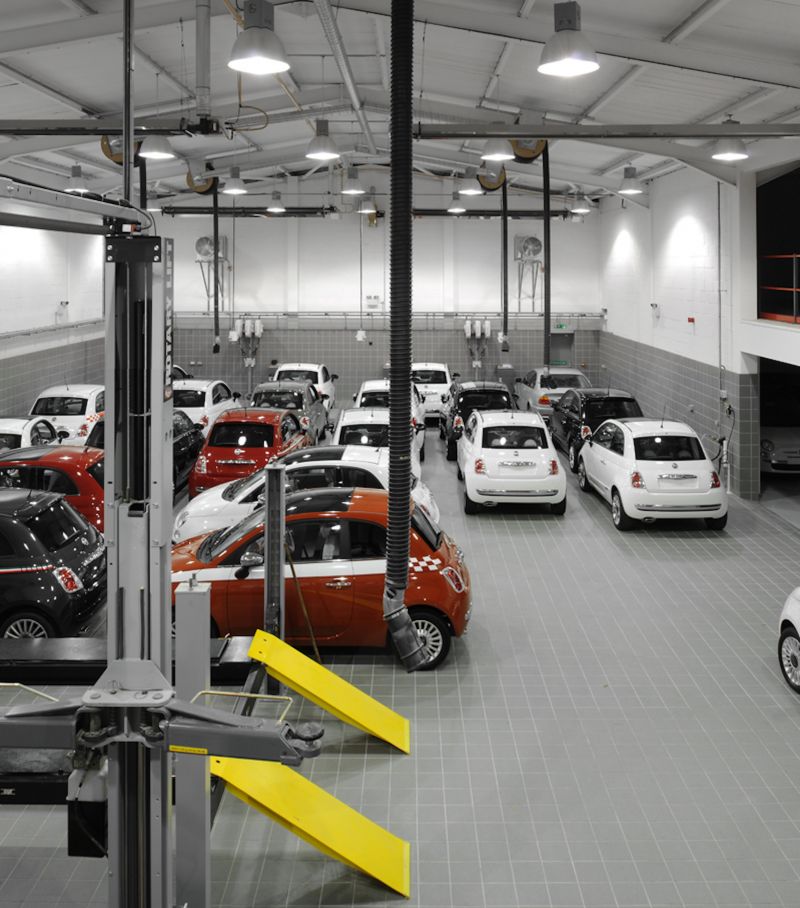
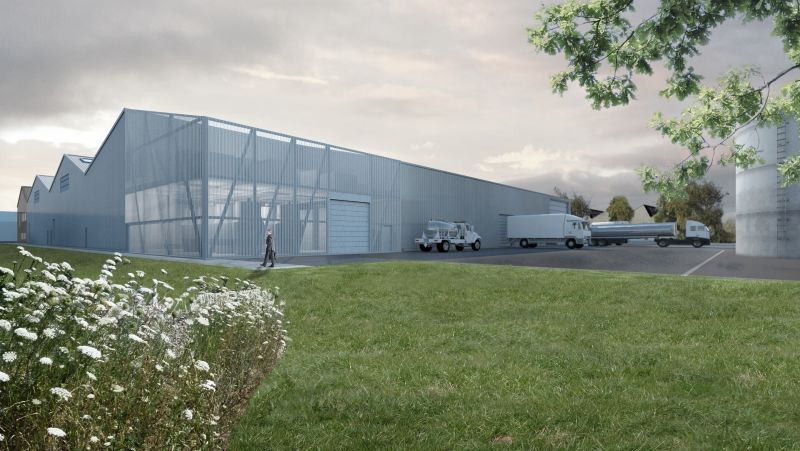
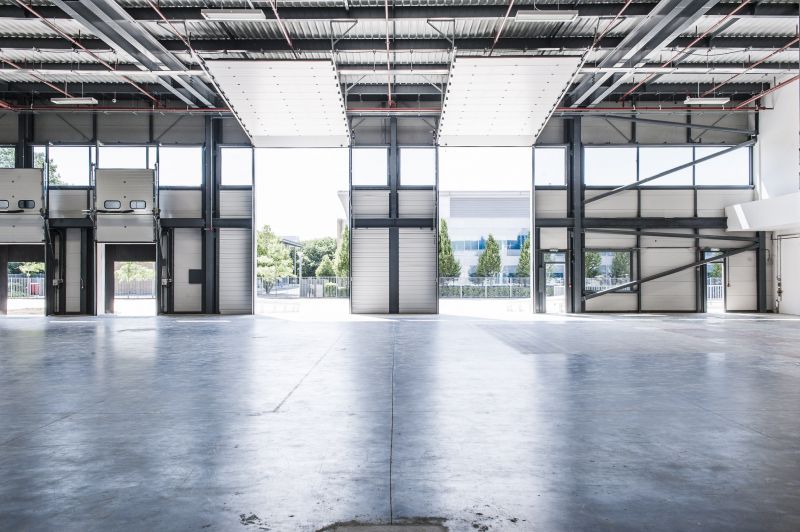
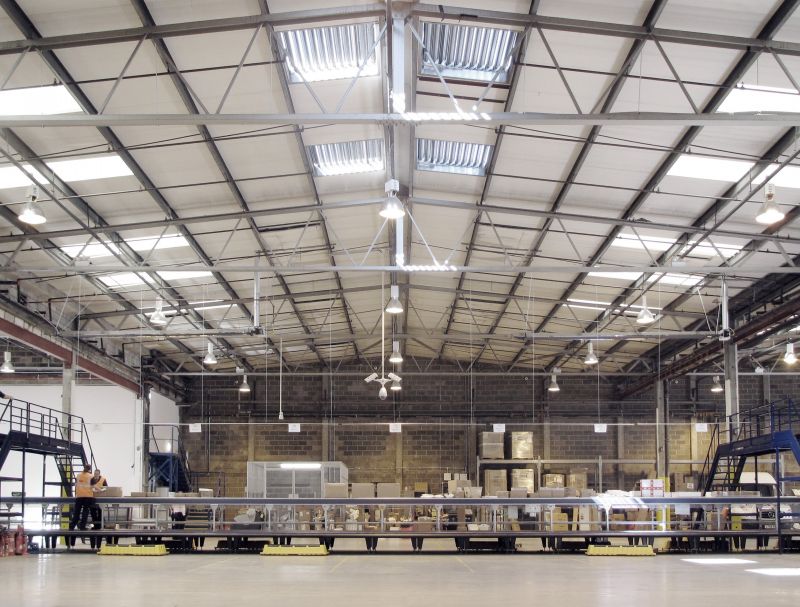
Industrial buildings have to work hard. They house machinery, production, storage and servicing, and they’re expected to keep working as the business around them changes.
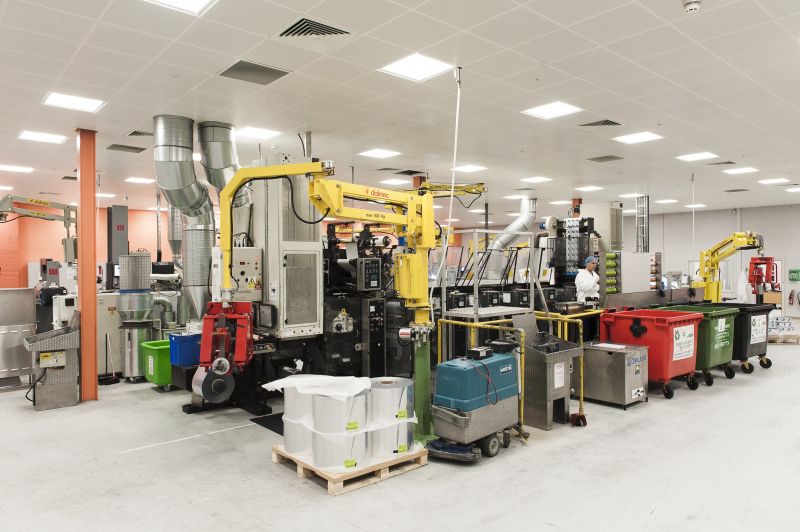
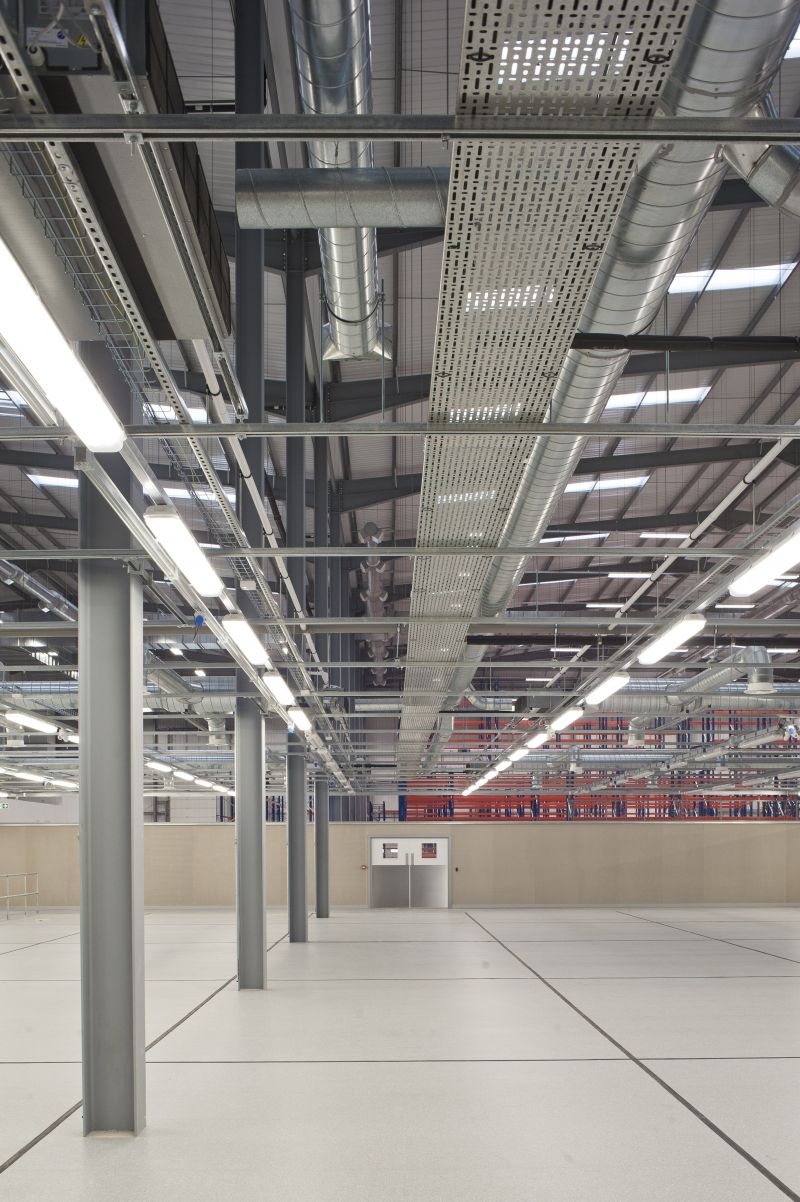
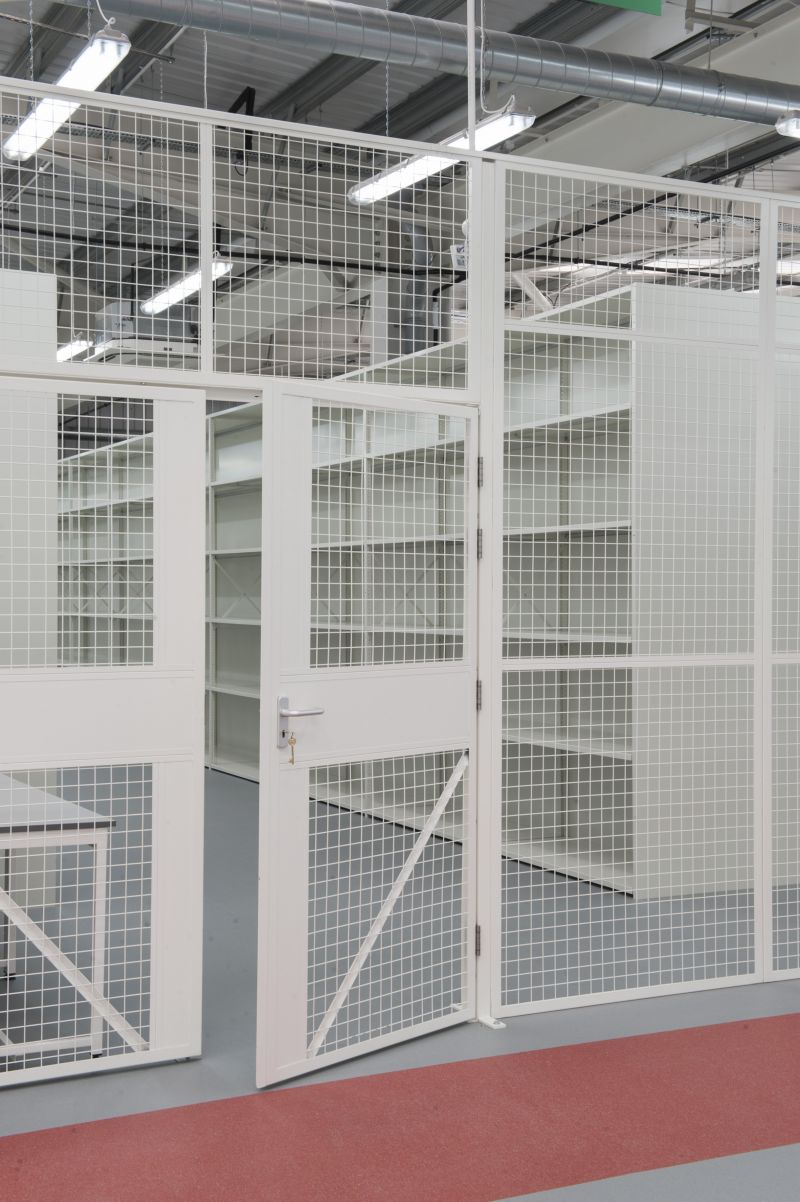
At Kelvin Hughes, we relocated an entire radar manufacturer’s business under one roof: production lines reorganised, new assembly areas, and former back-of-house areas turned into front-of-house. For Meggitt, we designed what will be the largest acid-etching facility of its kind in the world, tuned for production flow and the safe movement of process chemicals. For Albea, we converted two warehouses into a modern toothpaste tube factory, meeting the high cleanliness standards their clients demand. And for Christie’s, our heritage experience found an industrial use: a facility for storing, photographing and cataloguing high-value antiques.
These projects mean close work with engineers and specialist consultants, and attention to detail: a small change to circulation or servicing can make a significant difference to how a building operates, and to the people working inside it.
Industrial buildings are among the most pragmatic spaces we design, but pragmatism doesn’t have to mean bleakness. The best industrial buildings don’t hide the work that happens inside.