Arts
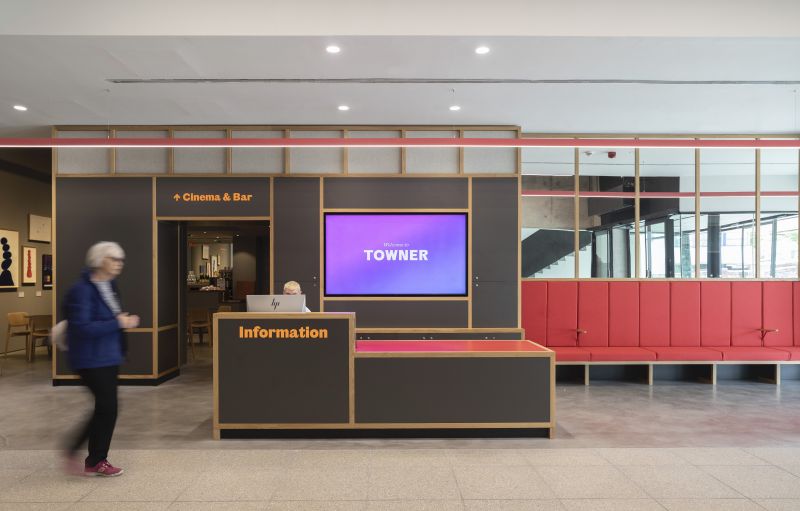
Arts buildings get knocked about. An artist decides they want to make a hole. A theatre foyer becomes a classroom at three in the afternoon. The best spaces aren’t precious; they’re robust and flexible enough to let curators take real risks.
People tend to think of a gallery as somewhere to display art. We think of it as infrastructure for a programme: workshops, stores, loading, making spaces and all the less visible work around the exhibition.
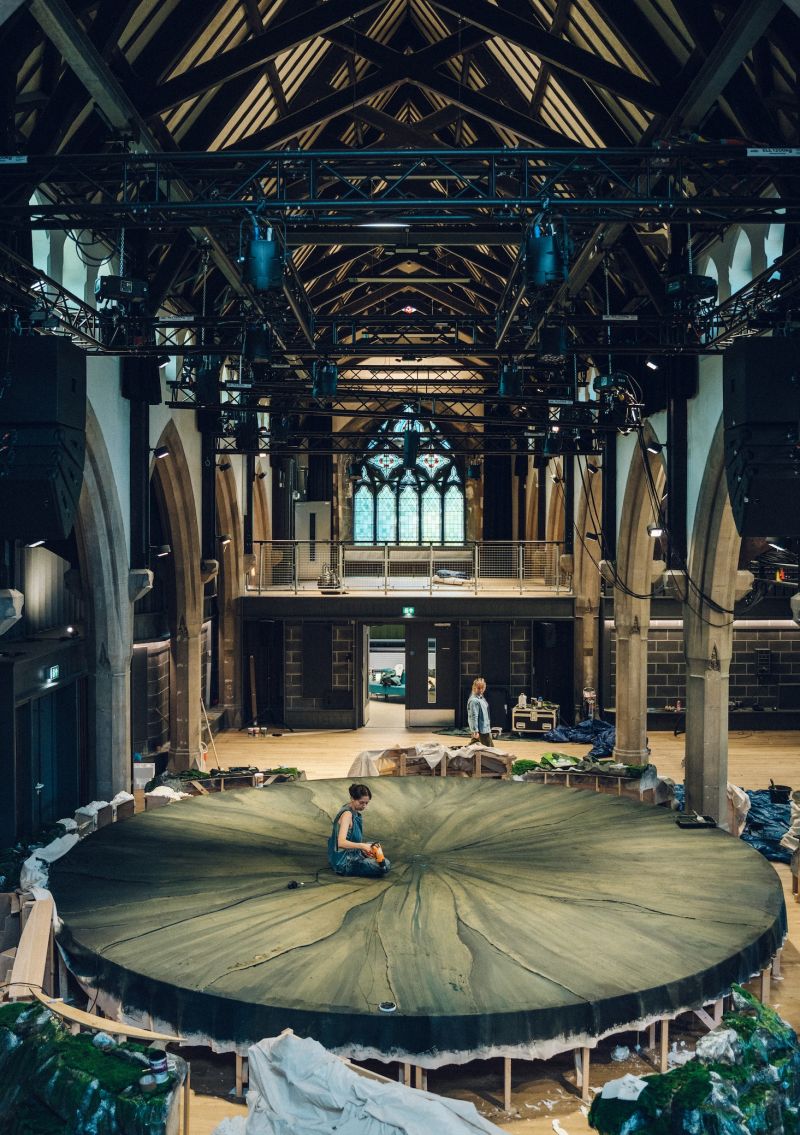
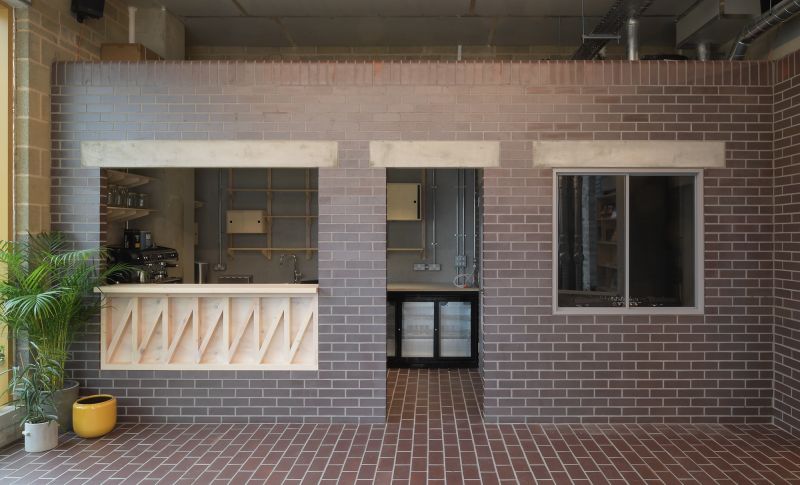
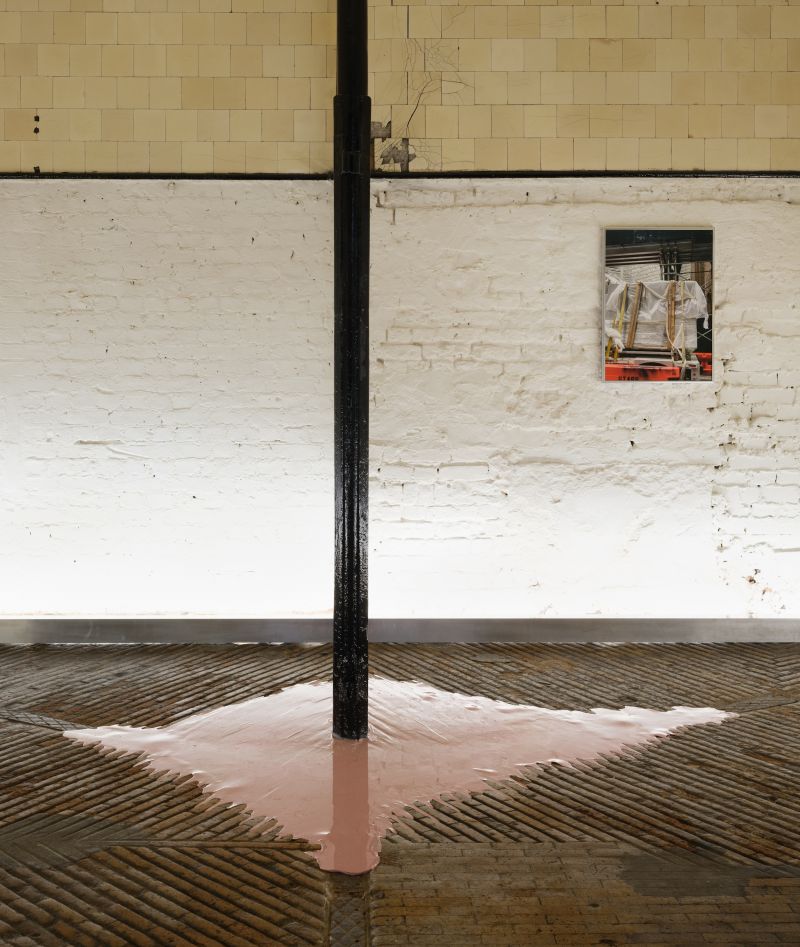
Over two decades we’ve converted a thatched barn into a gallery, turned a Grade II-listed church into a Welsh-language theatre, and opened up a museum so its café finally talks to the street. At Matt’s we hijacked the aesthetic of a half-built commercial unit. At Sylvia Kouvali we declined the landlord’s instinct to repair and improve, creating a new gallery from strangely unreflective mirrors, worn and damaged surfaces, and a beautifully seamless glossy ceiling.
At Nyth, local people use the theatre while artists make work with national ambitions. We listen hard before we draw a line. The result is spaces which support the work rather than compete with it: backdrops, not centre stages.